
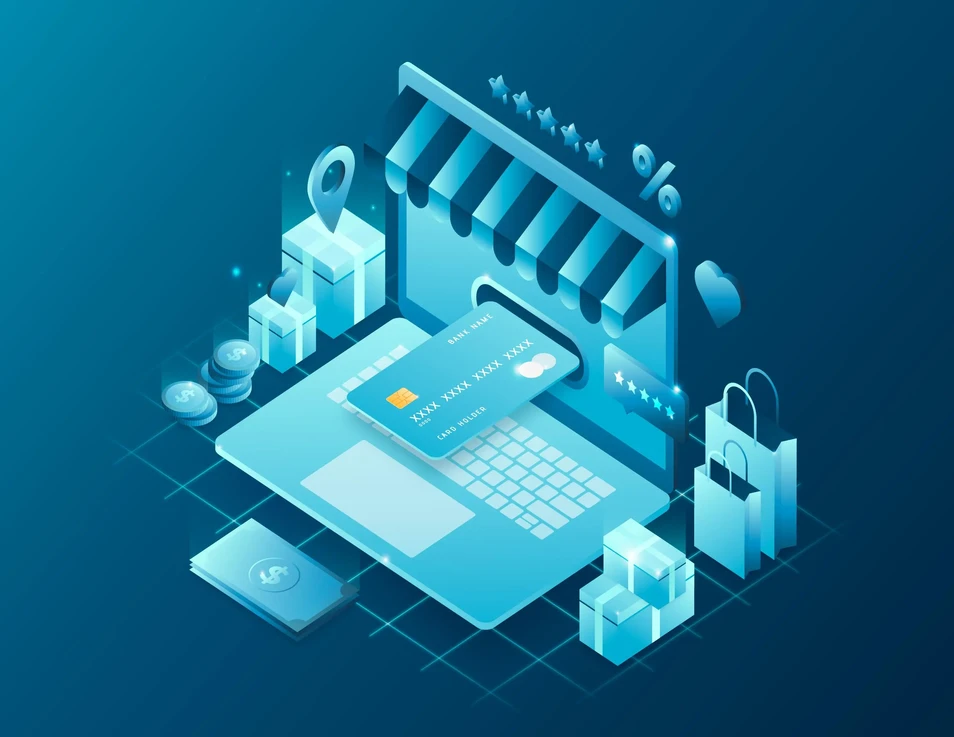
Technology keeps moving forward. Every few years, new tools and ideas change the way we live and work. As technology grows, so do our expectations.
E-commerce has followed the same path. Shoppers now expect faster websites, easier navigation, and smoother checkouts. Store owners want more control over design and features.
Two ideas are shaping the next wave of online stores: headless commerce and Progressive Web Apps (PWAs). When paired with nopCommerce, they can create flexible, high-performance shopping experiences. Let’s explore what they are, how they work, and why they matter.
What is Headless Commerce?
Most online stores are built so the frontend (what customers see) and the backend (where data and business logic live) are connected. In headless commerce, these two parts are separate.
When the frontend and backend are split, changes to one do not affect the other. The backend becomes “headless”, it no longer decides how pages look. Instead, it stores all the data and sends it to the frontend through an API.
The frontend can be anything: a responsive website built with modern tools, a mobile app and many more. Because they’re separate, you can update or replace one side without breaking the other. This speeds up development and gives you more freedom in design.
Headless nopCommerce
nopCommerce is an open-source eCommerce platform built on the secure and scalable ASP.NET framework. It is free to download and has no monthly or transaction fees, making it one of the most cost-effective solutions in the eCommerce industry. The platform includes a configurable shopping cart, a catalog interface, and strong monitoring and management tools.
Its headless architecture is powered by the Web API plugin, which offers over 1,100 REST API methods. These APIs let you connect nopCommerce with other systems like CMS, PIM, ERP, POS, mobile apps, or fully custom frontends. This allows you to design any type of shopping experience you want, whether it’s a responsive website, a Progressive Web App, or a mobile application, while letting the nopCommerce backend handle all core commerce functions such as product management, orders, and payments.
Introduction to Progressive Web Apps (PWAs)
A Progressive Web App (PWA) is a website that acts and feels like a native mobile app. You can open it in a browser, but you can also “install” it on your phone’s home screen. Once installed, it launches without a browser bar, can send push notifications, and even works offline. This gives users the smooth, app-like experience they expect without requiring them to download anything from an app store.
For e-commerce, PWAs offer major benefits. They load much faster than most traditional websites, making shopping more seamless. They work even with a poor internet connection, allowing customers to browse products offline. They remove app store barriers, so customers can start shopping instantly. Plus, push notifications help keep shoppers engaged by alerting them to sales, new arrivals, or abandoned carts.
Building a PWA with nopCommerce
There are two main ways to build a PWA for a nopCommerce store: using a ready-made plugin or developing a custom solution.
Using a PWA Plugin
For many store owners, the easiest approach is to use an existing plugin. For example, nopStation’s Progressive Web App with Push Notification plugin can quickly transform a nopCommerce store into a PWA. It adds core features like push notifications and cross-platform compatibility without requiring heavy custom coding. This method is ideal for those who want faster setup and minimal development work.
Custom PWA Development
For a more tailored experience, you can build a PWA from scratch. This involves:
- Service Workers: Enabling offline capabilities, caching assets, and background synchronization.
- Web App Manifest: Defining how the PWA appears and behaves when installed, including its icon, name, and display mode.
- Responsive Design: Making sure your store looks and works well on all devices and screen sizes.
- HTTPS: Securing your store, as PWAs require encrypted connections.
- Push Notifications: Setting up a system to re-engage users with promotions, updates, or reminders.
By using either a dedicated plugin or a custom development approach, you can turn a nopCommerce store into a PWA that improves user engagement, increases conversions, and makes shopping more accessible across devices.
Benefits and Challenges
Benefits of Headless nopCommerce
- Flexibility: Use any frontend technology like React, Vue.js, Angular, or mobile apps to create custom experiences.
- Independent updates: Change the frontend without touching backend logic, or vice versa.
- Scalable foundation: Easy to expand or integrate with other systems as the business grows.
Challenges of Headless nopCommerce
- Complex development: Requires skilled developers to manage API connections and architecture.
- Higher setup time and cost: More work than a traditional, all-in-one store setup.
- Ongoing coordination
Frontend and backend teams must work closely to keep systems in sync.
Benefits of PWAs in E-commerce
- Fast performance: Pages load quickly, improving user satisfaction.
- Offline browsing: Customers can view products even with poor or no internet connection.
- App-like experience: Works like a native mobile app without needing app store downloads.
- Customer engagement: Push notifications help bring shoppers back to the store.
Challenges of PWAs in E-commerce
- Browser and device limits: Some PWA features may not work on all browsers or devices.
- Specialized development skills: Requires knowledge of caching, service workers, and responsive design.
- Feature gaps vs native apps: Certain advanced mobile features may still require native app development.
Conclusion
Shoppers have less patience than ever. They expect sites to be fast, smooth, and mobile-friendly. Businesses need to adapt quickly to trends, design changes, and new technologies.
Headless nopCommerce with a PWA frontend meets both needs. It offers the speed and engagement customers want while giving developers and store owners the freedom to innovate.
In the years ahead, we can expect more e-commerce sites to move away from monolithic systems. They’ll embrace APIs, modern frameworks, and app-like web experiences. Those who adopt these tools early will have a head start in attracting and keeping customers.
Share
Ready to bring AI into your business
We’d love to hear from you — let’s start the conversation today.
Let’s Talk